When Allison Docter meets with students, one of her first questions is “How can I help you with that?”
Docter, a career coach in the University of Nebraska–Lincoln’s College of Arts and Sciences, guides Huskers as they prepare for the next chapter of their lives, alongside academic advisers working on the classroom side. Docter even helped develop a new method of bringing the assistance directly to students.
“Students feel more empowered to take their next steps after they talk with us,” Docter said. “We want them to feel confident and encouraged to take action.”

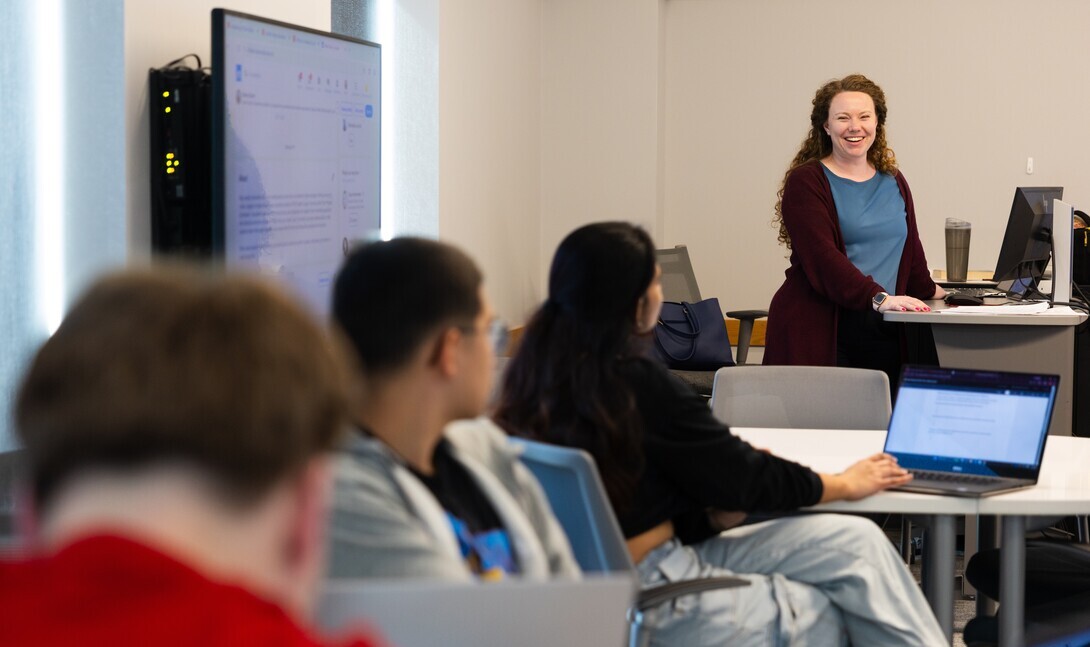
Docter helped develop a new course, Career Ready, Life Ready, aimed at helping students transition from campus to career. In its first semester, topics include navigating a job search, budgeting, making housing arrangements and finding community after college.
“Students have been in education for 16 years at that point, so it’s intimidating to go into a different environment," she said. "Hopefully, it will lower that barrier a little bit to have some of those conversations.”
Docter said she saw a need for a class like this because many of the students had not received this information previously. It gives students a safe place to ask questions they might have about what comes next. Docter has even asked people in jobs like human resources to explain more about what workplace benefits to expect, for example.
“There are career fairs and all these events, but that relies on them to seek out support,” Docter said. “This is an easier way to meet them where they’re at, rather than in April they’re realizing they need help.”
Some of the class assignments can even be used for real job applications and hiring processes, such as tweaking a resume, writing a cover letter or doing a mock interview.
Docter, a Nebraska alumna, got a bachelor’s degree in psychology and worked in human resources before returning for a master’s degree and staying on campus in her current role for the last four years. As a career coach, Docter helps find internships or student jobs and helps students prepare for post-graduation, working closely with the academic advisers who help with planning for which classes to take for a degree or help with academic work.
The work can also include hosting career fairs, brainstorming other events that might connect students to professional opportunities or referring them to other resources on campus.
“We don’t always follow the same recipe, but we adjust it and create new resources to better support students,” she said.
Docter received valuable guidance from an adviser when she was a student herself and recognized she had an opportunity to pass that on. She planned to be a jury consultant but realized she would need a doctorate in psychology or to go to law school, and she wasn’t interested pursuing those steps.
“I had great a academic adviser when I was in my undergrad who I thought was awesome and she helped me a lot,” she said. “I needed to pivot…I talked with my academic adviser about other options in psychology.”
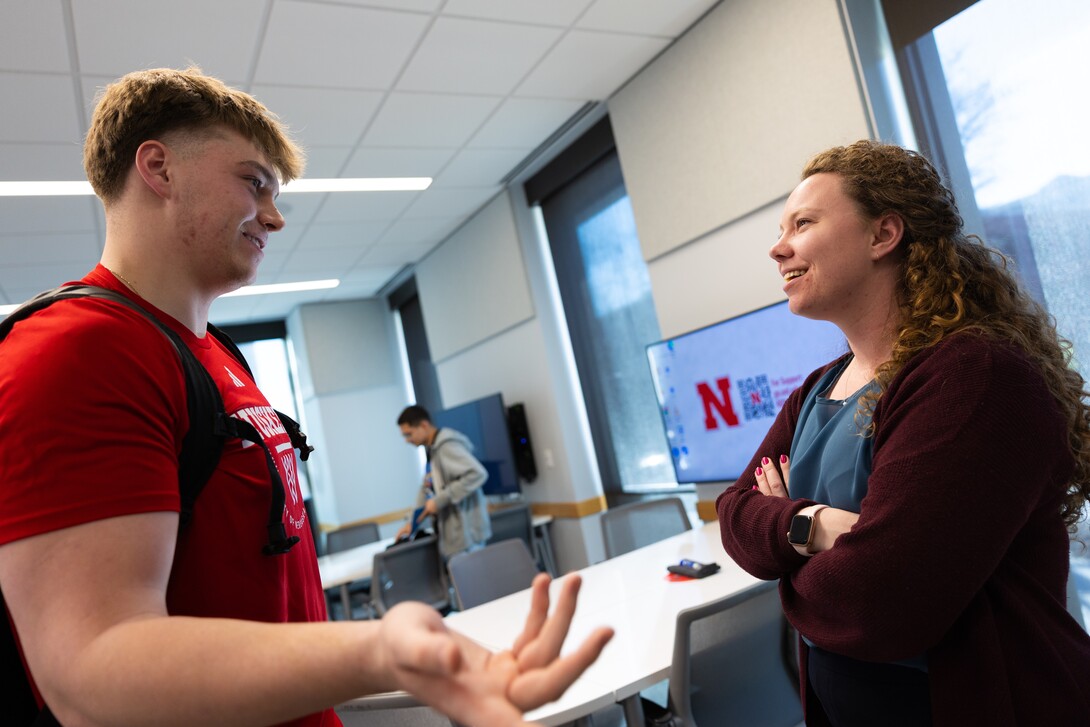
Conversations with a career coach are intended to be very individualized, Docter said. Students can select from a variety of types of appointments, from career exploration to internships to resumes and cover letters.
“If two students schedule a resume appointment, those conversations can look very different,” Docter said. “I should be asking questions and not always providing solutions right away. I want to have a conversation because that’s going to be more effective. I want to hear about what their situation is and then I can provide better resources.”
Docter also enjoys the strategy involved in a job search. This can be as simple as honing the filters during an online search for job openings to find the best fit for what the student wants.
“I think it’s kind of fun to be like, ‘How can you tweak your resume? How can we better prepare your interview?’” she said. “I think there is strategy to it and so it’s fun to tap into that and find alternative pathways.”
Having someone to offer guidance and advice can clarify and distill the process for students, Docter said. Docter said she and her colleagues try to offer knowledge the students don’t have themselves and create plans — and back-up plans.
“A career coach can create a picture, and maybe a plan, to tackle some of these things and make it feel more doable,” she said. “If we can trim it down to two tangible next steps, then circle back, and then we can find two new next steps. It makes everything more digestible.”
Docter hopes she can help students expand their idea of what opportunities their education can open up for them. She wants to show them the widest possible range of ways to apply the skills they are learning during their time on campus.
“One of my goals is to broaden the idea of what’s possible,” Docter said. “I like the idea of new ideas and new opportunities. Students are not in a box and I think sometimes they feel that way…Your job description and your job titles are going to change a lot, so if we can see adaptability for its full significance, it hopefully helps reduce anxiety. You can be creative with how you apply your skills. We can learn that now.”