Twenty years ago, digital humanities seemed like a frontier.
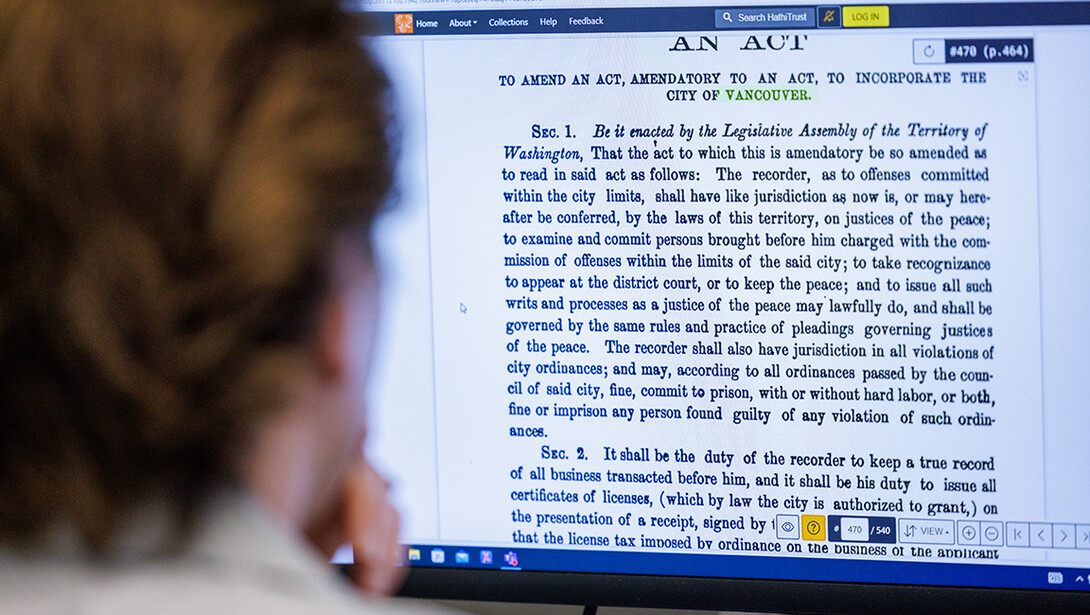
Some pioneering academics and librarians at the University of Nebraska–Lincoln saw the still-new technology of the internet as a space for scholarly discovery and multimedia storytelling and a way to bring once-hidden texts to everyone, everywhere.
Significant early digital humanities experiments grew at Nebraska, and scholars decided in 2005 to set up an outpost on campus to foster and lead digital humanities work across disciplines, the Center for Digital Research in the Humanities.
To mark the 20th anniversary of its founding, the center engaged Jeff Young, an editor, reporter, and podcaster focused on higher education and how technologies are reshaping the world, to write the story of the CDRH’s rich impact. "Growing a Digital Humanities Culture: Twenty Years of the UNL Center for Digital Research in the Humanities" is available to read online.
The center is now “recognized as one of the most prolific and impactful centers of its kind in the world,” Young wrote.
“I hope this story will interest people new to the work of the CDRH,” said Andy Jewell, co-director and professor in the UNL Libraries, “I also hope the many, many people who have been part of our shared history read it and feel pride at the scope of what we’ve accomplished together.”
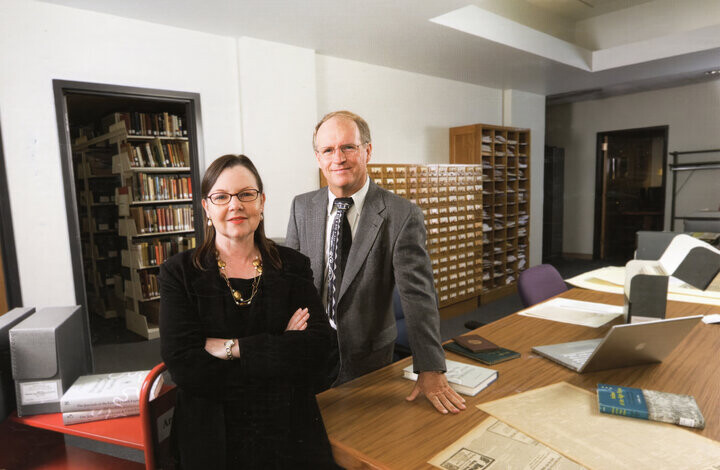
Despite some skepticism that it was all a fad and concerns that such projects might not be rewarded in professional reviews, many scholars at Nebraska forged ahead. The story traces the earliest inklings of researchers who saw the potential to the development of more than 30 digital humanities projects, spanning disciplines from literature to history and anthropology.
Today, the center has made its mark across the nation and globally, supporting the Walt Whitman Archive, the Willa Cather Archive, Genoa Indian School Digital Reconciliation Project, Petitioning for Freedom, and other projects that collectively draw more than two million visitors a year.
The center also has been a key convener of scholars advancing digital scholarship around the world. In the process, the center’s faculty, students, fellows and affiliates have surfaced parts of history that had been silenced, enhanced education through adoption of its materials in countless classrooms, helped build tech platforms and standards to improve the sharing of scholarly materials, and nurtured the careers of a diverse collection of impactful scholars.
Read the full publication on the CDRH website. There is also a PDF version.
The 20th anniversary of the Center for Digital Research in the Humanities is just one of the anniversaries the University Libraries is celebrating this academic year. See all that we celebrate during Pages to Paths: A Celebration of Our Libraries.