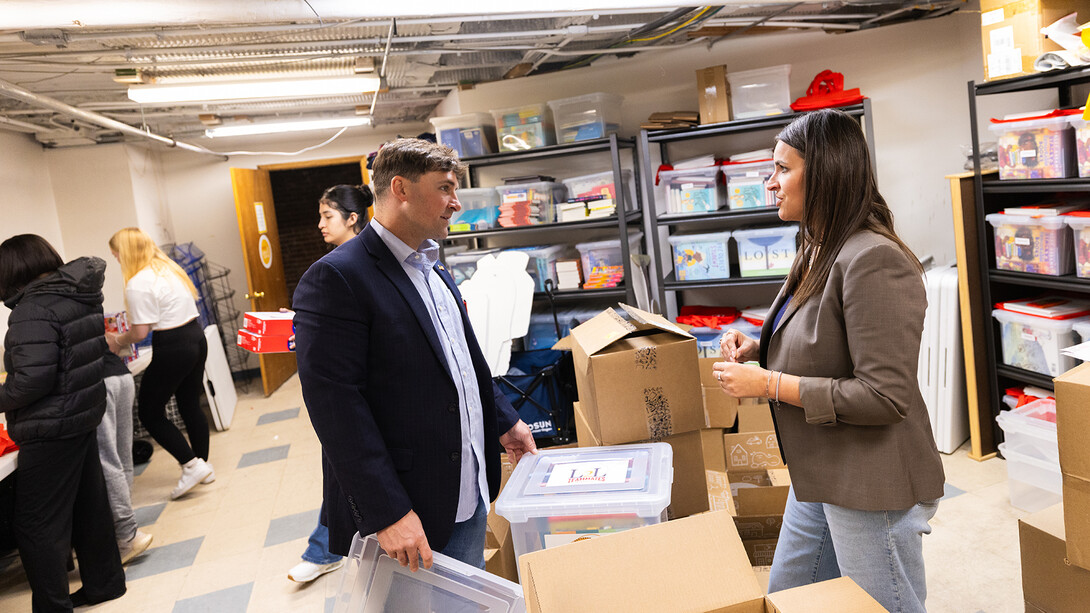
For students like Ben Bentzinger, volunteering through the University of Nebraska–Lincoln is more than giving back to the community — it’s a chance to gain hands-on experience that could shape future careers.
Bentzinger, a May 2025 graduate who is now a Master of Community and Regional Planning student, signed up for a volunteer event through SLICE (Student Leadership, Involvement and Community Engagement) — and kept coming back.
“I can’t remember where the first one was, but once I started to enjoy the volunteering and started to see how much of an impact we were having,” he said, “I just showed up for every Engage Lincoln event that I could.”
Andrew Brown, assistant director of community engagement in SLICE, noticed Bentzinger’s name on the Engage Lincoln volunteer lists. He suggested Bentzinger join the university’s Volunteer Ambassadors program.
Created four years ago, the program pairs students with Lincoln nonprofits for a semester, requiring one to two hours of volunteering per week. Ambassadors meet monthly to connect, hear from nonprofit speakers and work on community service projects. There is no application deadline, and interested students can email Brown for more information.
Brown said ambassadors have been placed with 70 Lincoln nonprofits, including the Center for People, Cat House, Matt Talbot Kitchen and Outreach, and Capitol Humane Society.
About 60% of the 86 current ambassadors “just want to give back to their community,” Brown said. For others, the program offers career experience.
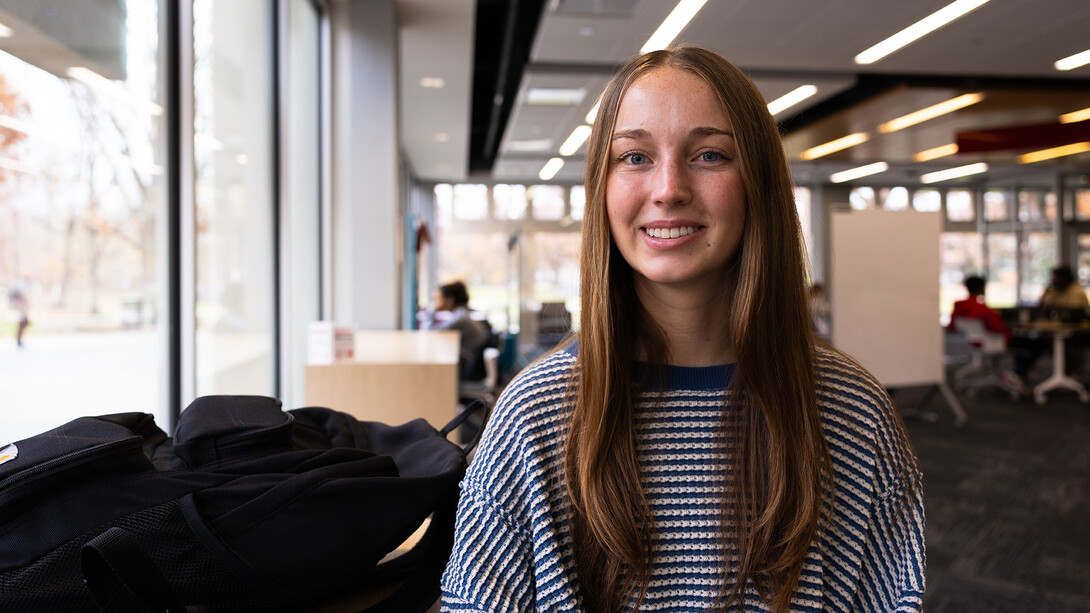
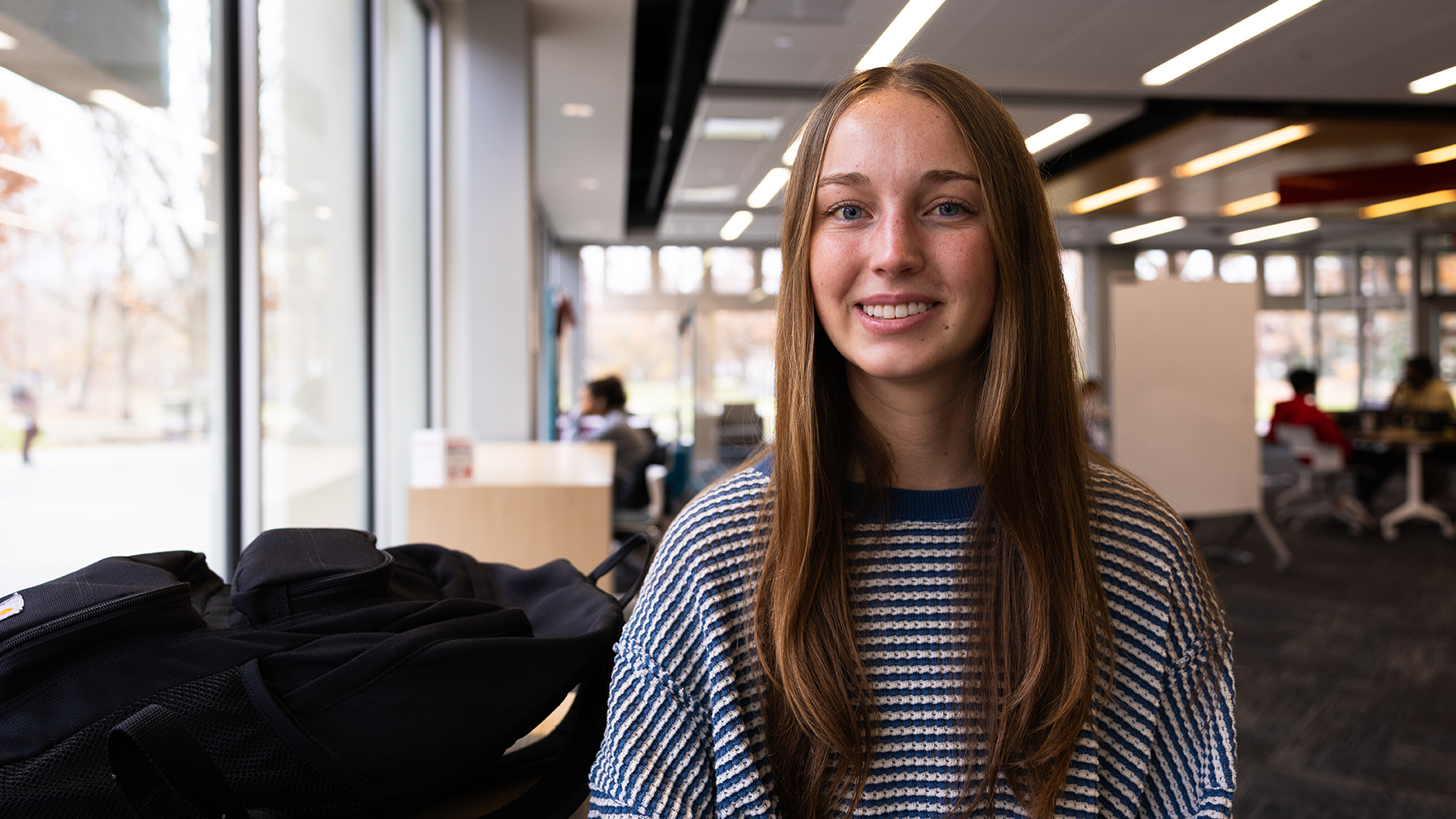
Kristin Wordekemper, studying nutrition, exercise and health science to become a physician assistant, was matched with Bryan Health.
“It’s my favorite part of every week,” she said, since joining at the start of the fall 2025 semester.
Wordekemper volunteered at Skutt Catholic High School in Omaha and at on-campus food pantries but wanted more consistent opportunities in the medical field.
“Last year, I helped out at the food pantry here on campus, and then this summer, I was hoping to get something more in the medical field because that’s what I’m hoping to do long term,” she said.
Her experiences at Bryan have affirmed her decision to study medicine. Some days are busy helping nurses in the emergency department; others are slower, cleaning a room or observing a physician assistant.
“And then I’m going and bringing a patient back, and walking back I’m like, ‘Wow, this is going to be me,’” she said.
Students can switch nonprofits at the end of a semester, but about 70% stay for a full year, Brown said. By the week of Nov. 17, ambassadors had completed 672 hours of service with an economic impact value of $21,477.

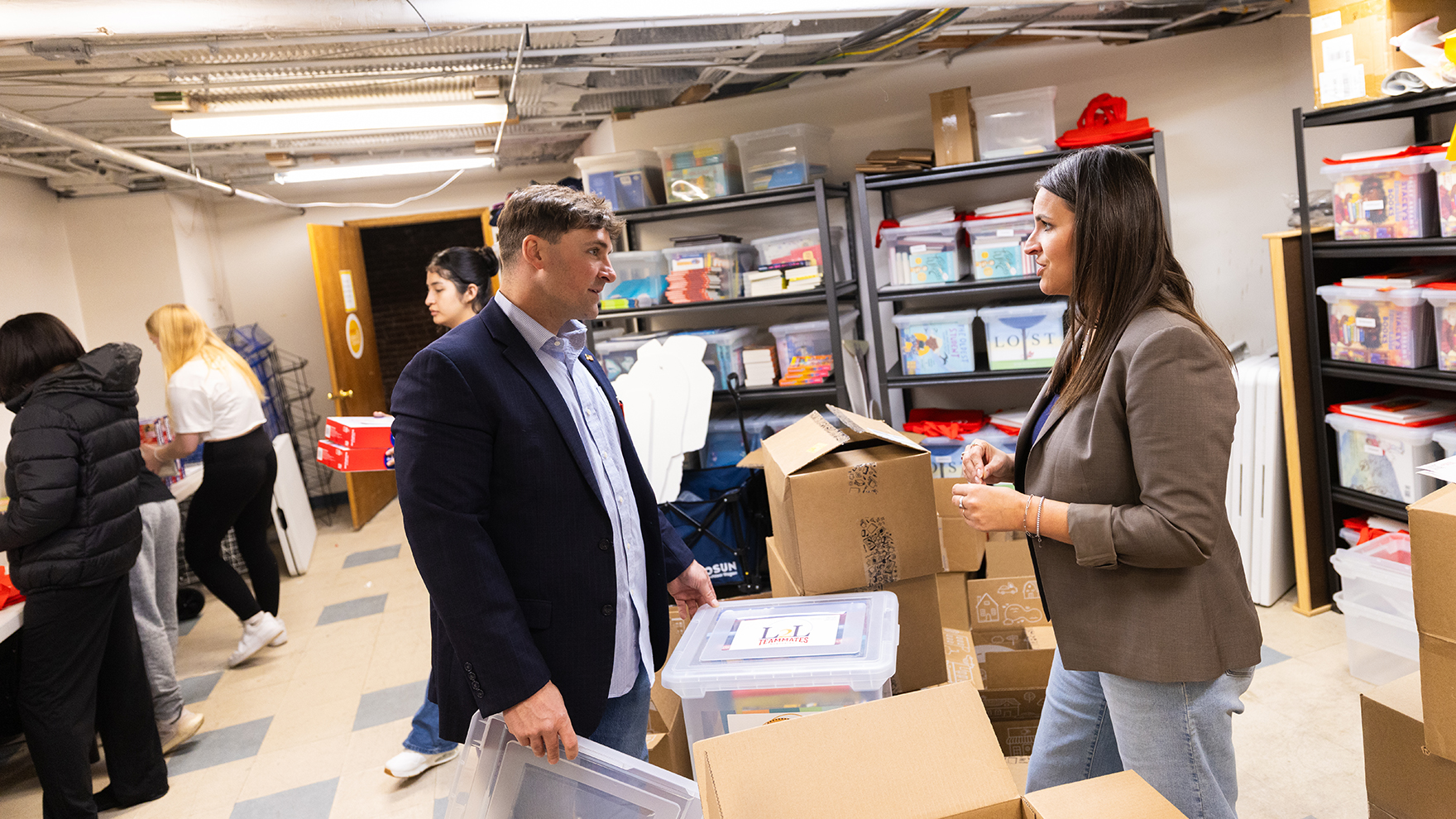
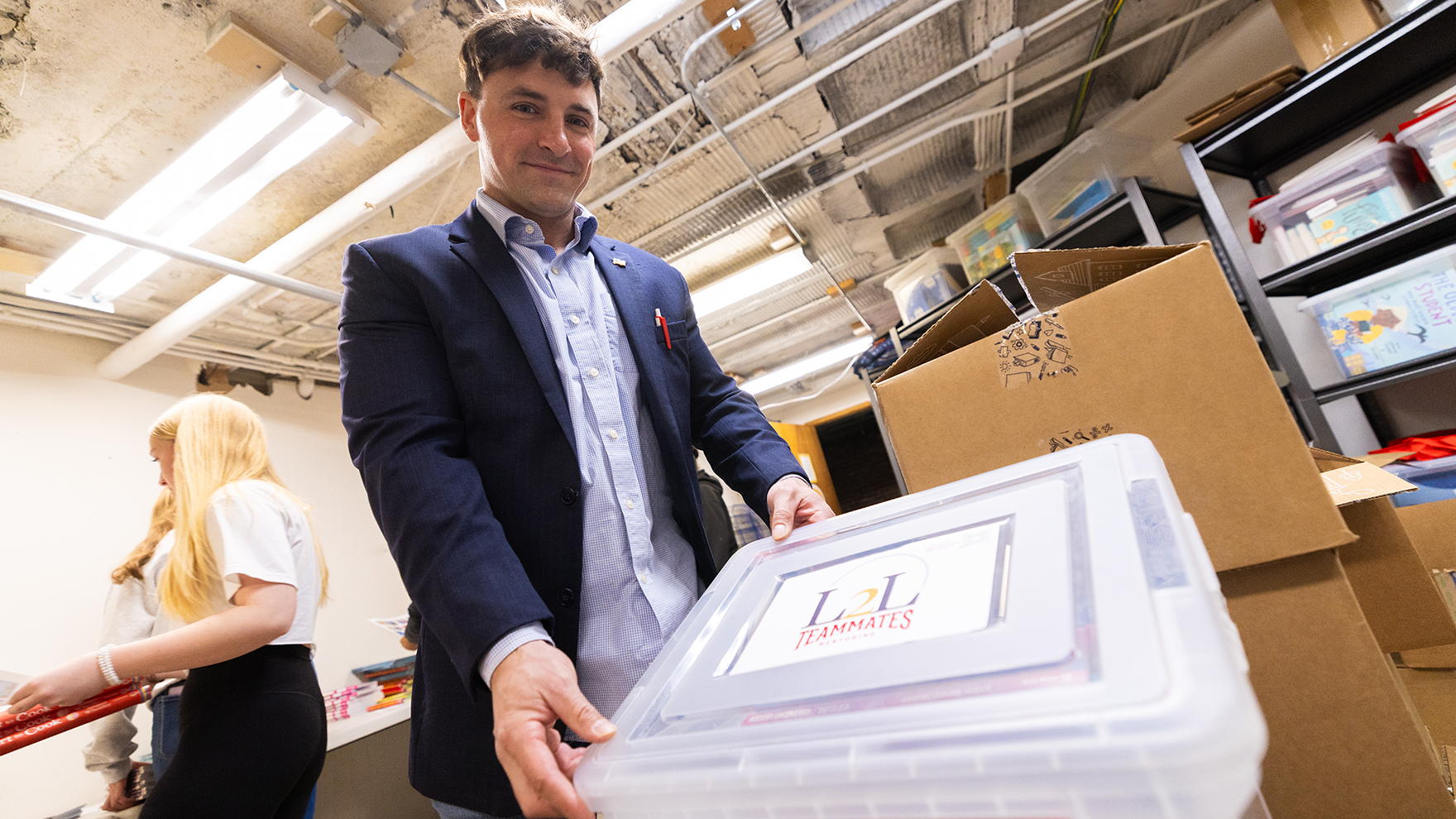
Bentzinger, the graduate student in community and regional planning, was matched with TeamMates, a mentoring program where he meets weekly with a mentee. For him, the hours aren’t the main reason he volunteers.
“I think a lot of people have this ambition when they go through school, like the impact they’re going to have on the community and the influence they’re going to have and how much good they can create with their degree,” he said.
Volunteering even a few hours a week can make that impact while students are still in school. Before UNL, Bentzinger said he wouldn’t have associated the university with community service and outreach.
“I think it's good to make sure that people know that there's a lot of good coming out of the university,” Bentzinger said.
Share
News Release Contact(s)
Tags
High Resolution Photos