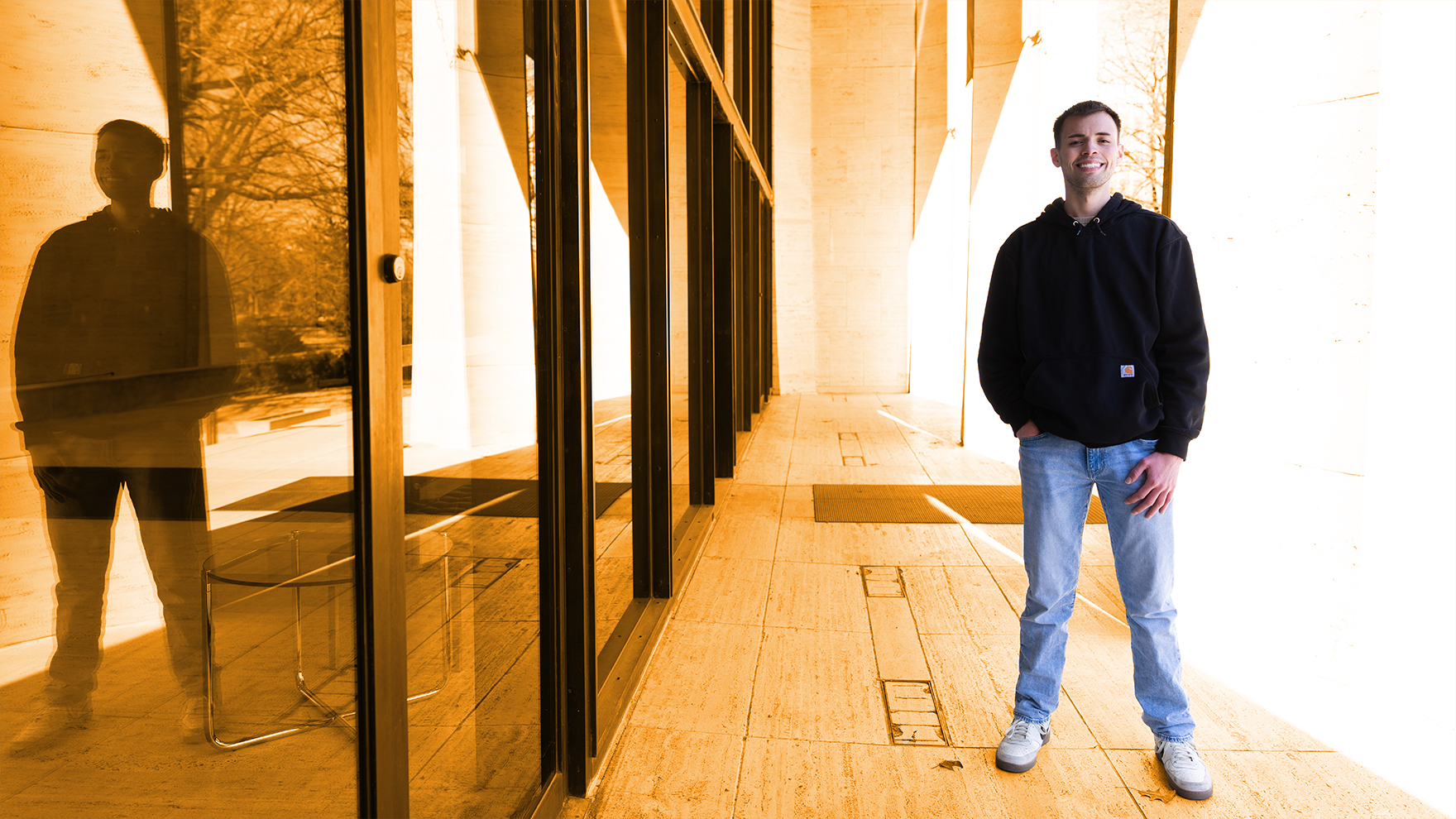
Randall Nunez never imagined that a search for his family’s history would light up the University of Nebraska–Lincoln.
But through his genealogy journey, Love Library, Sheldon Museum of Art and Omaha’s Bob Kerrey Pedestrian Bridge will glow orange on Feb. 20. The lights honor the children of the Genoa Indian Industrial School who were taken from their families nearly a century ago.
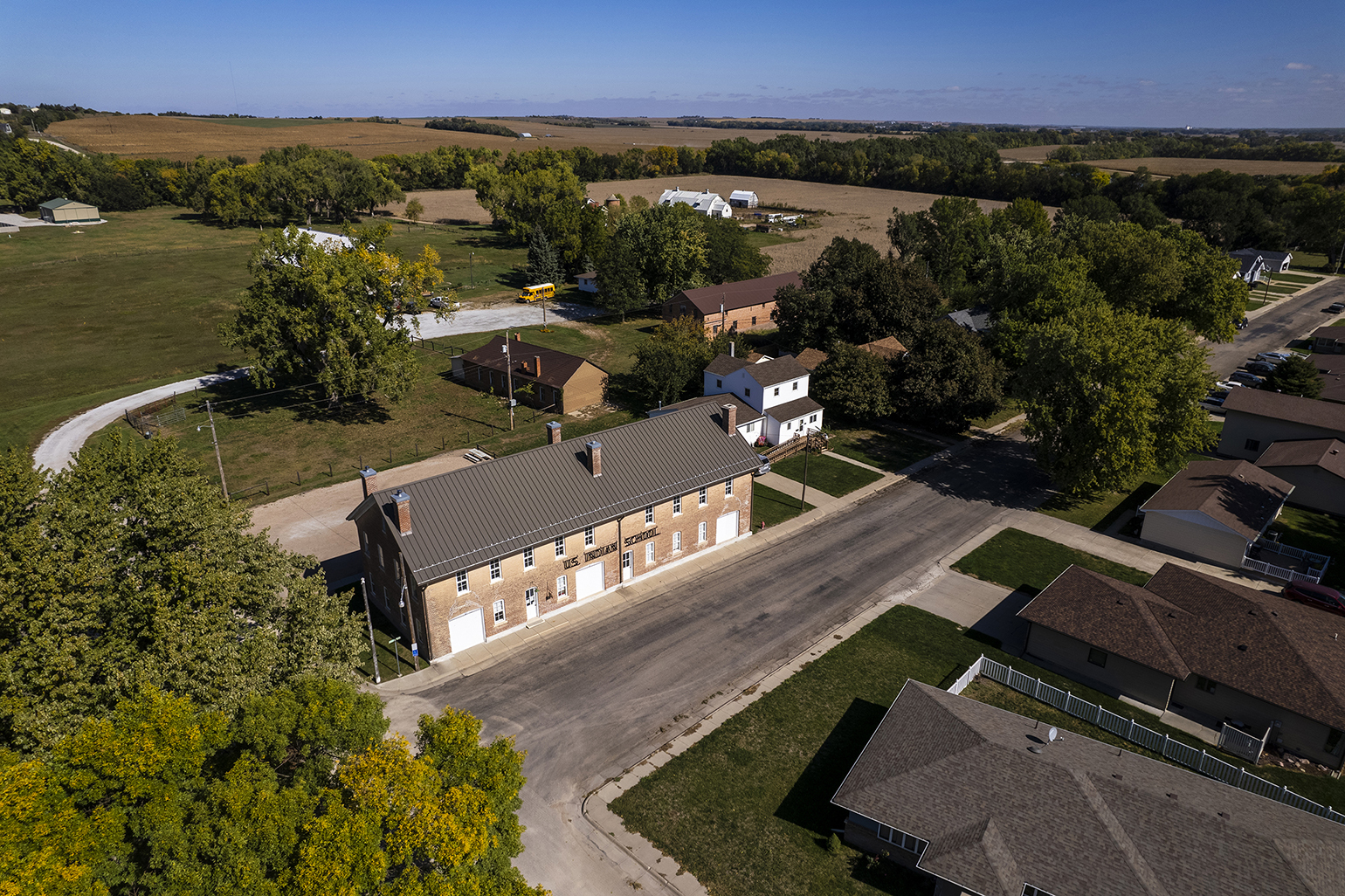
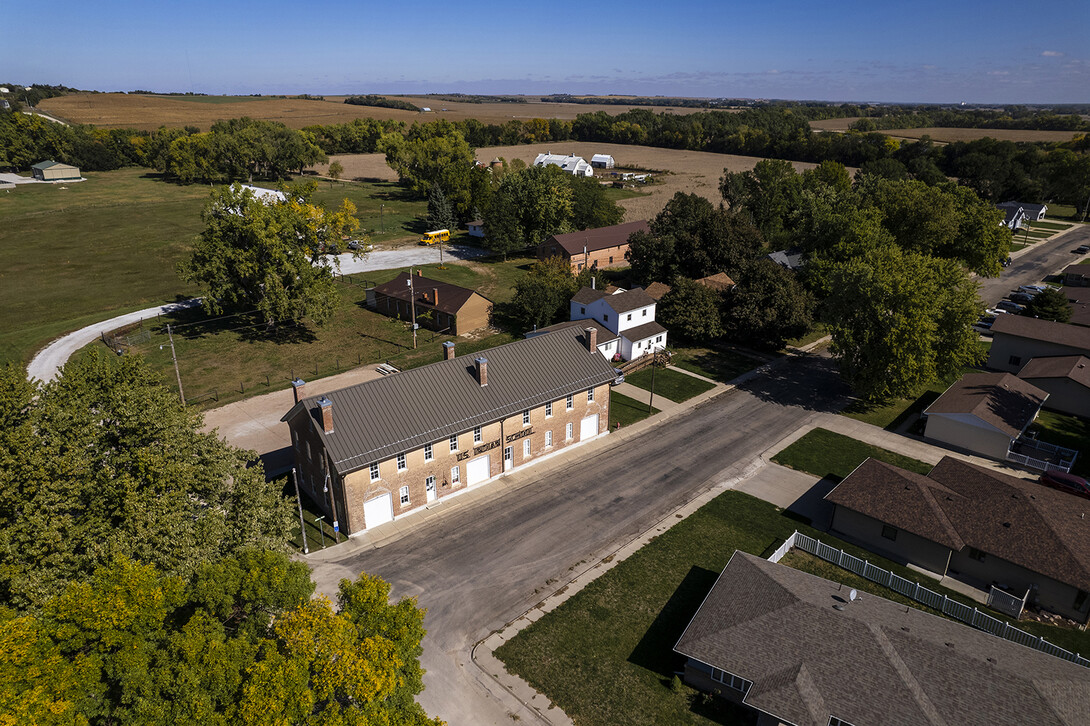
The school operated from 1884 to 1934 as part of a federal assimilation policy that separated Native American children from their families and stripped them of their tribal languages, dress and cultural practices.
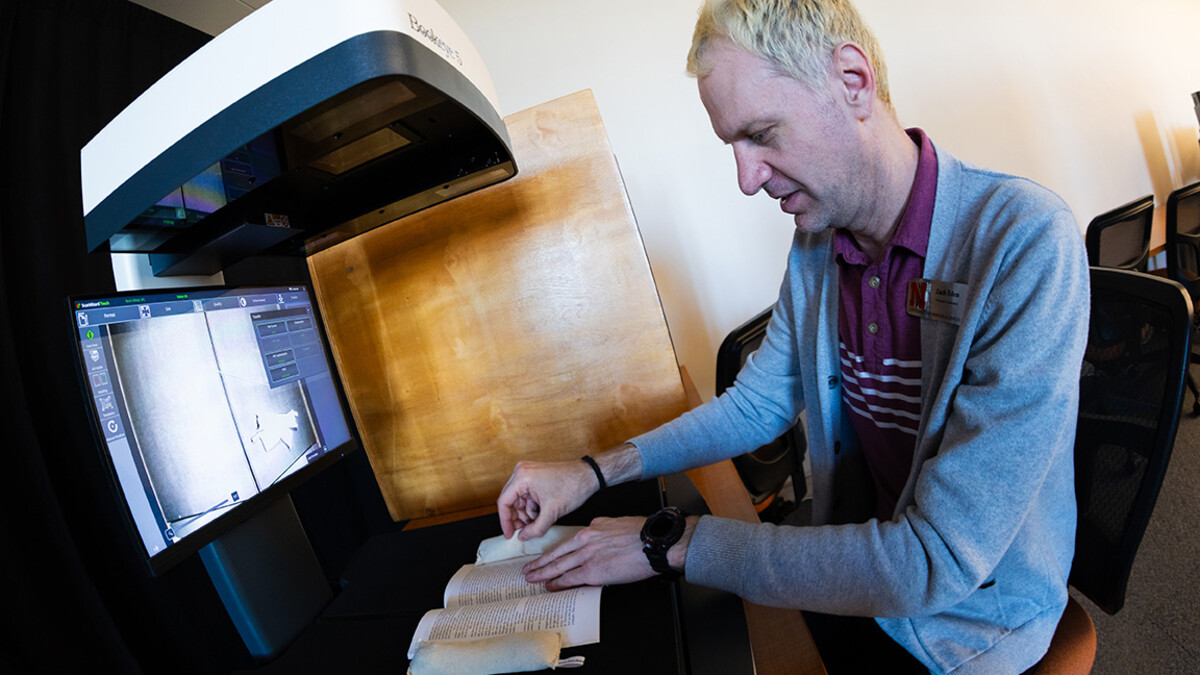
Nunez uncovered his family’s connection through the Genoa Indian School Digital Reconciliation Project, a UNL-led online archive documenting enrollment records and the lives of Native children at the school. Discovering that four relatives had attended Genoa led him to visit the campus in person.
“I went to Genoa last year just to see the place,” said Nunez, a senior management major in the College of Business with a minor in Native American studies. “Seeing the space where my relatives lived, where their culture was stripped from them, made everything I’d read online suddenly real.”
The visit sparked the lighting project and his participation as emcee at an upcoming Genoa Remembrance Day event at Sheldon Museum of Art. The event will include remarks from Judi gaiashkibos, executive director of the Nebraska Commission on Indian Affairs, and a student panel featuring Nunez and other student leaders in the University of Nebraska Inter-Tribal Exchange. The event is free and open to the public.
The building lighting and Sheldon event are supported by Nebraska Legislative Resolution 280. Approved unanimously in 2022, the resolution designates Feb. 20 in Nebraska as an annual day of remembrance for the Genoa school.
Over the past year, Nunez navigated university processes and coordinated with mentors Gabriel Bruguier, assistant professor at University Libraries, and TJ McDowell, assistant vice chancellor and dean of students. He also secured sponsorship from the Ponca Economic Development Corporation, which led to the Omaha bridge illumination.
Orange gained prominence during Canada’s Truth and Reconciliation movement, highlighting the history and impact of residential schools. Nunez said the color also symbolizes solidarity, resilience and remembrance among Indigenous communities.
“Lighting the buildings wasn’t just about the lights,” Nunez said. “It was about engaging the university, building awareness and showing that students’ voices matter. If we have a vision, we can take action.”
Looking ahead, he hopes the project will grow, with more buildings illuminated each year and Indigenous student organizations across Nebraska elevating the history of boarding schools.
“Seeing my relatives’ names in the records, standing on the grounds where they lived, and now seeing the campus glow for remembrance — it’s a way to honor them, to acknowledge their resilience, and to ensure their stories are never forgotten,” Nunez said.
Share
News Release Contact(s)
Tags
High Resolution Photos