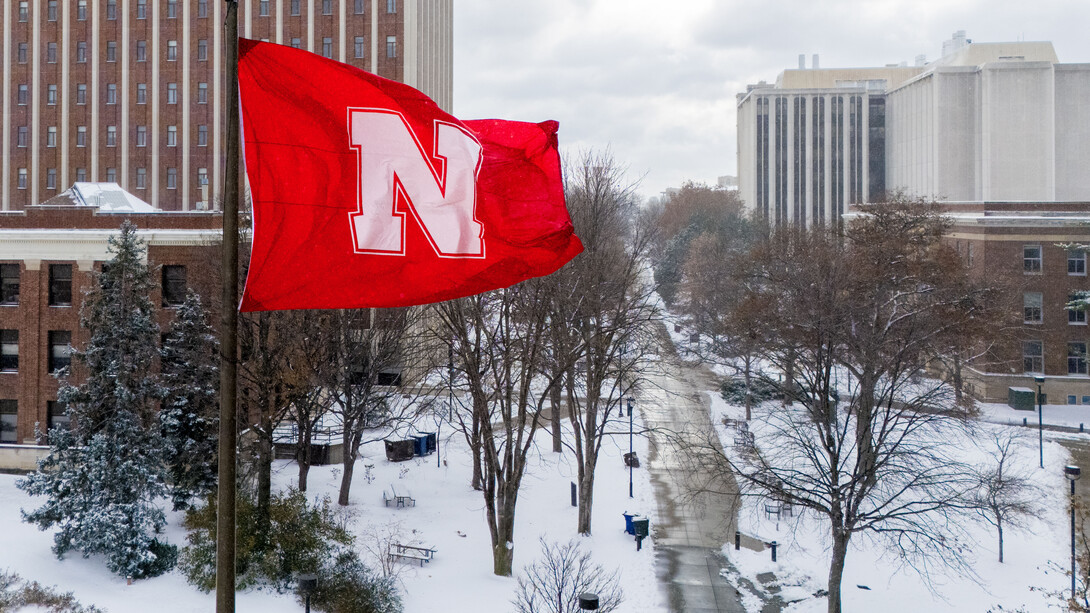
A record five University of Nebraska–Lincoln innovators have been named senior members of the National Academy of Inventors, an honor that recognizes excellence in translating research into tangible impact.
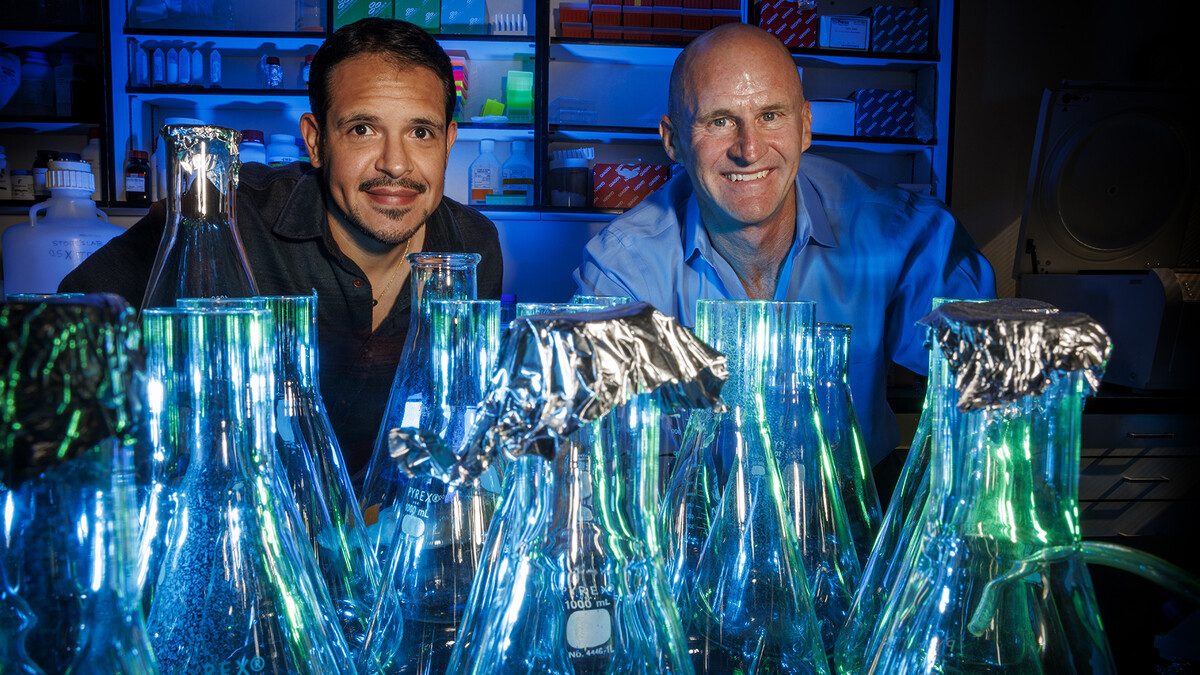
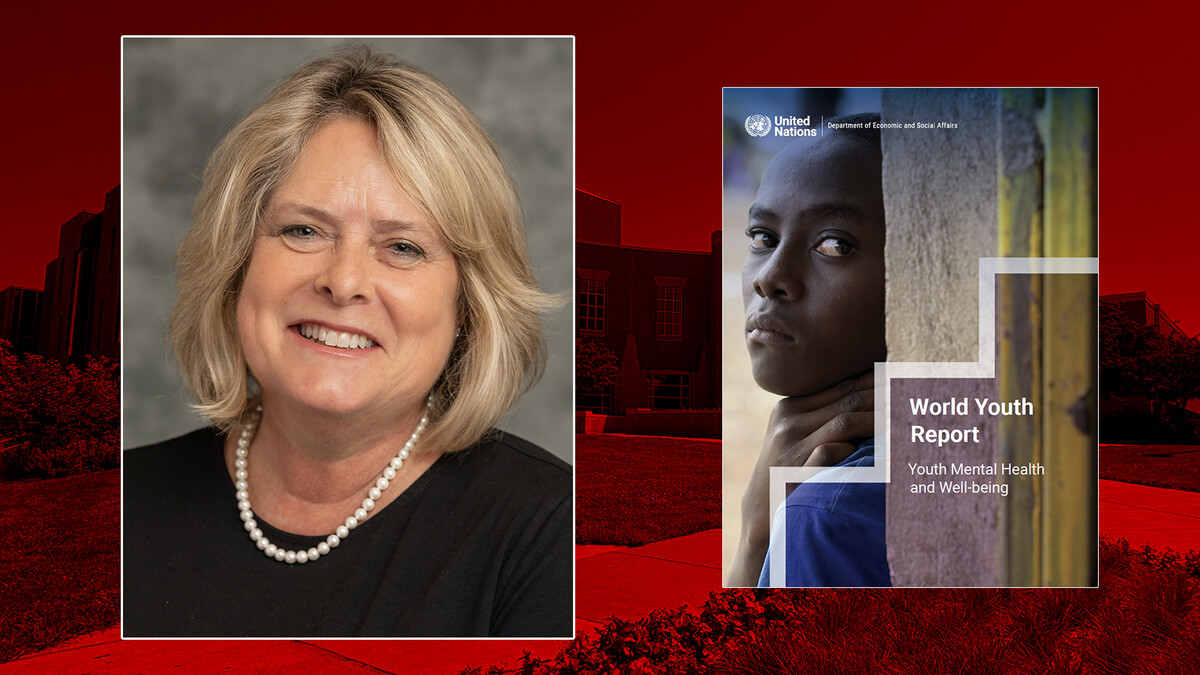
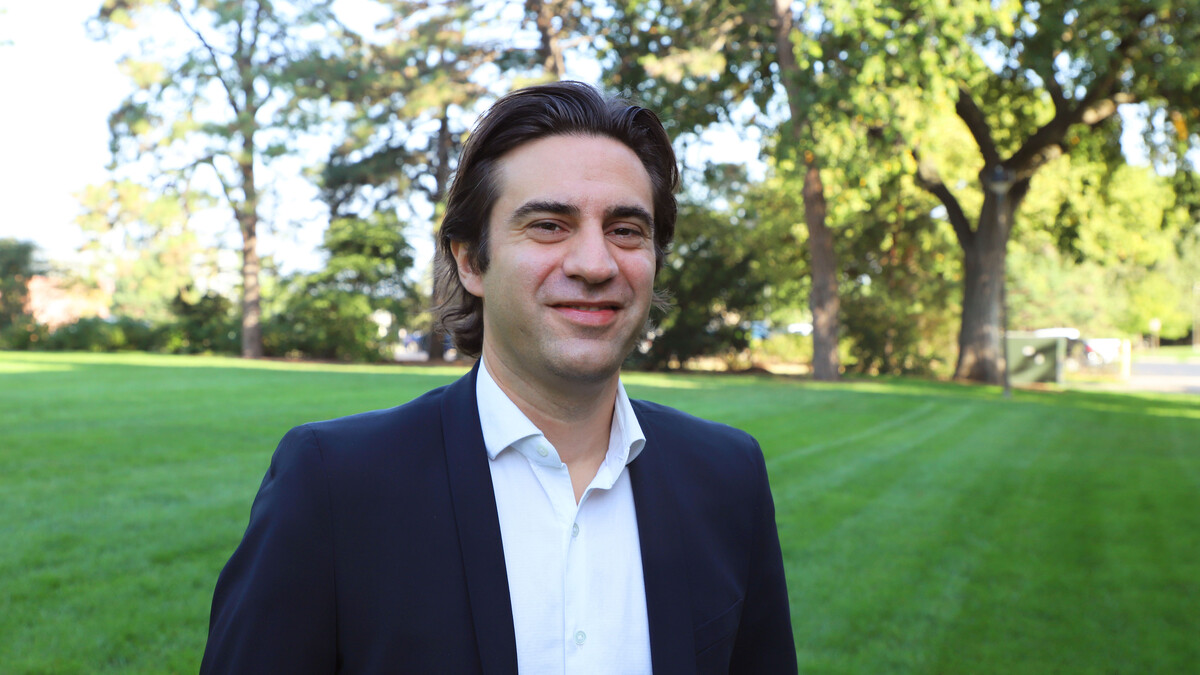
Husker researchers Shubhendu Bhardwaj, Nicole Buan, Forrest Kievit, Rebecca Lai and James Schnable are among the 230 senior members selected this year — the NAI’s largest-ever class — who collectively hold more than 2,000 U.S. patents and are key players in mentoring the next generation of inventors. NAI launched the Senior Member program in 2018 to recognize emerging inventors’ success in patents, licensing and commercialization efforts that improve public welfare and economic development.
“At Nebraska, we recognize that our research improves peoples’ lives and helps society,” said Jen Nelson, interim vice chancellor for research and innovation. “We’re proud to invest in programs, resources and expertise that help our researchers move their innovations from the lab to the marketplace, benefiting farms, schools, hospitals and communities across Nebraska and beyond. It’s exciting that the National Academy of Inventors is recognizing our faculty’s success in this arena.”
The institutional record reflects Nebraska’s longtime commitment to translating academic research into real-world impact. The university is home to the award-winning Nebraska Innovation Campus, a hub of collaboration among faculty, industry and entrepreneurs. NUtech Ventures, UNL’s technology commercialization affiliate, and the university’s Industry Relations team accelerate innovation through partnerships and initiatives that streamline the lab-to-market pathway. Recent examples include NUexpress, a startup-friendly express license, and the Faculty Innovation Ambassador Program, aimed at strengthening relationships between Husker faculty and NUtech.
The 2026 class of senior members will be recognized during the Senior Member Induction Ceremony at NAI’s 15th Annual Conference in Los Angeles, June 1-4.
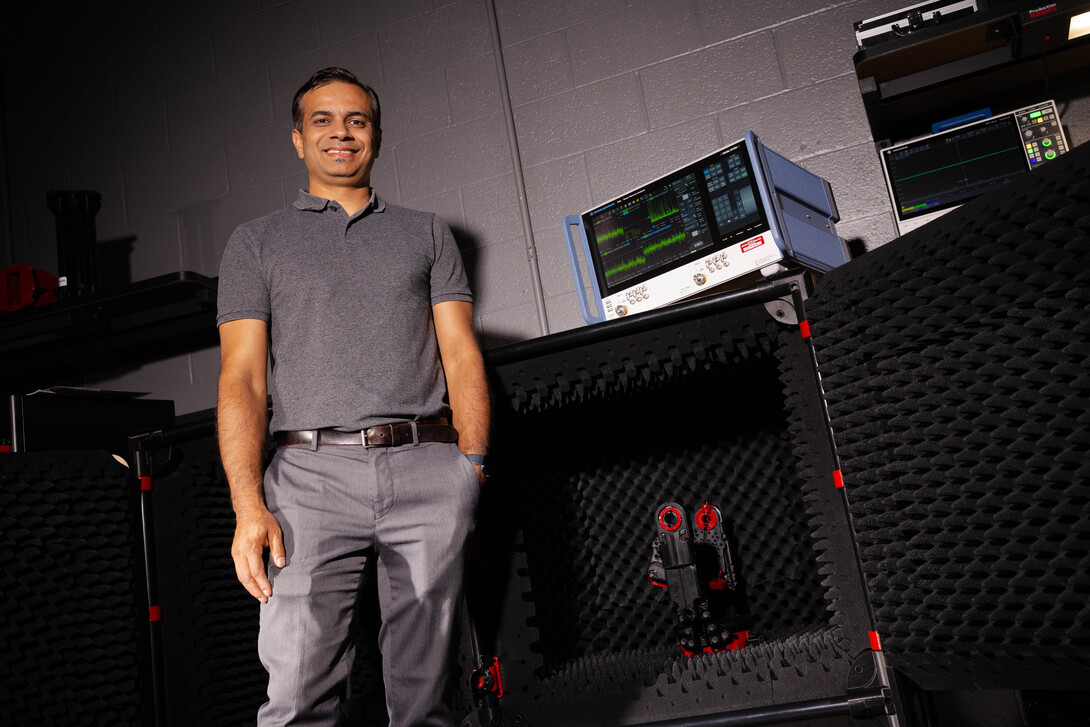
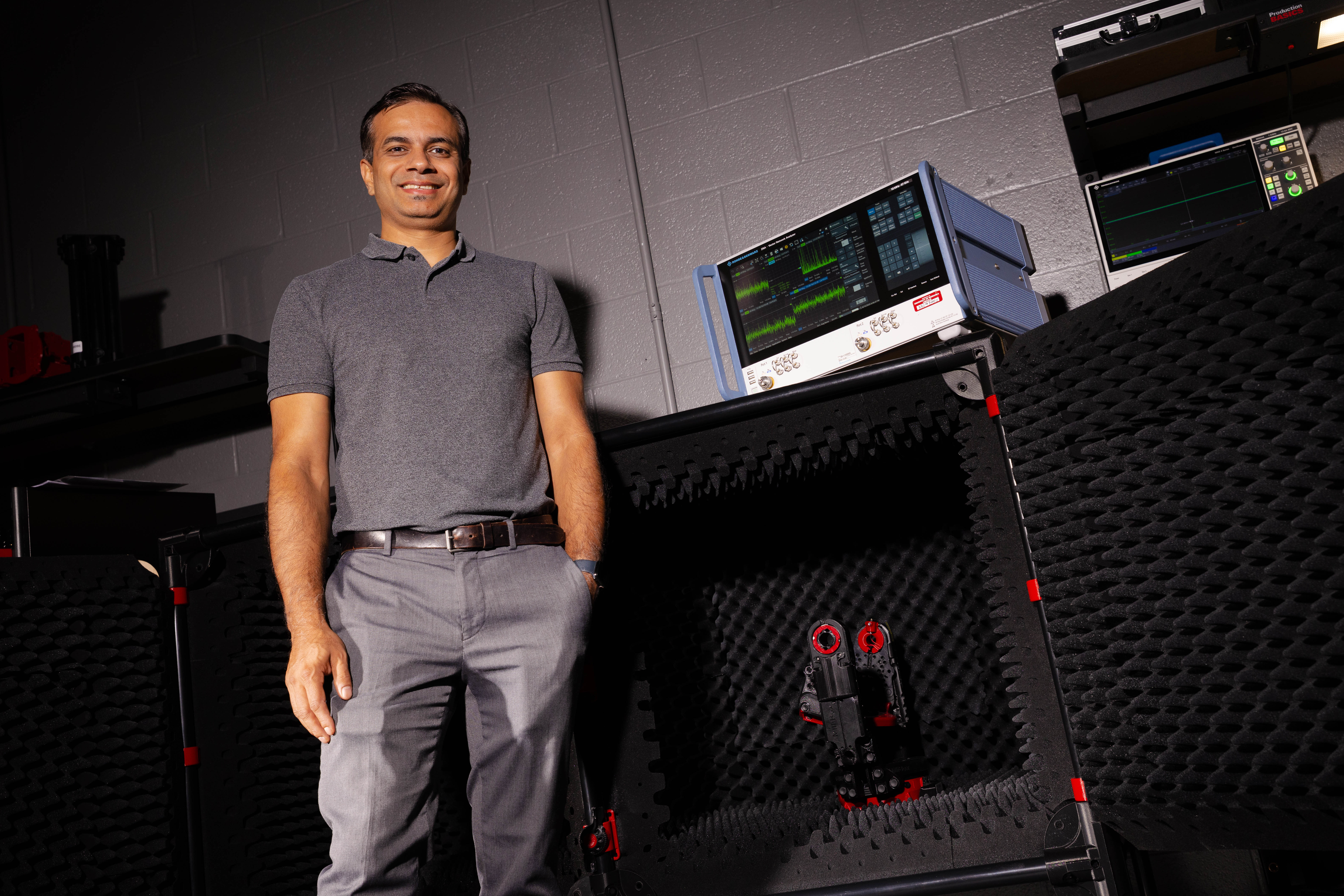
Shubhendu Bhardwaj, associate professor of electrical and computer engineering, leads research advancing national priorities in spectrum efficiency, wireless connectivity and wearable health technologies. With more than $3 million in competitive funding, including a Small Business Innovation Research grant from the Air Force and a National Science Foundation I-Corps award, Bhardwaj is developing advanced wireless systems, antennas and computational electromagnetics. He holds four issued U.S. patents, including one for a circularly polarized horn antenna that supports emerging 5G/6G networks. His innovations also include textile-integrated wireless power systems, which feature antenna that can be woven into fabric and maintain performance despite misalignment. He is pursuing similar strategies to enhance medical textiles, including smart bandages for wound monitoring, which could expand the frontiers of telemedicine and remote health monitoring.
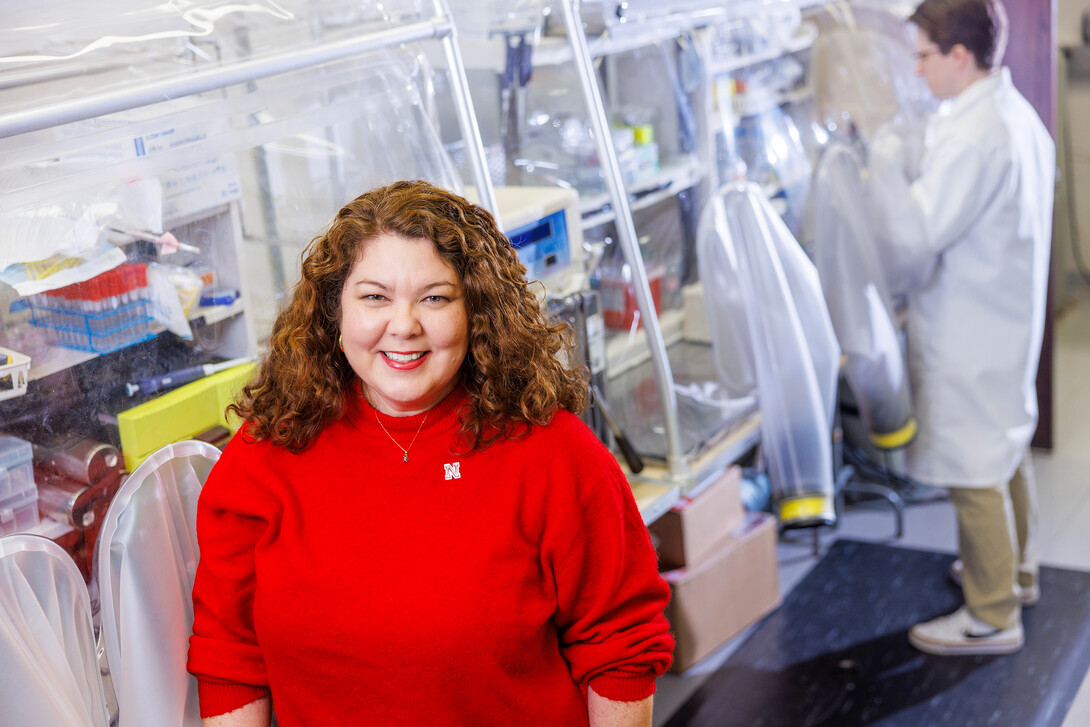
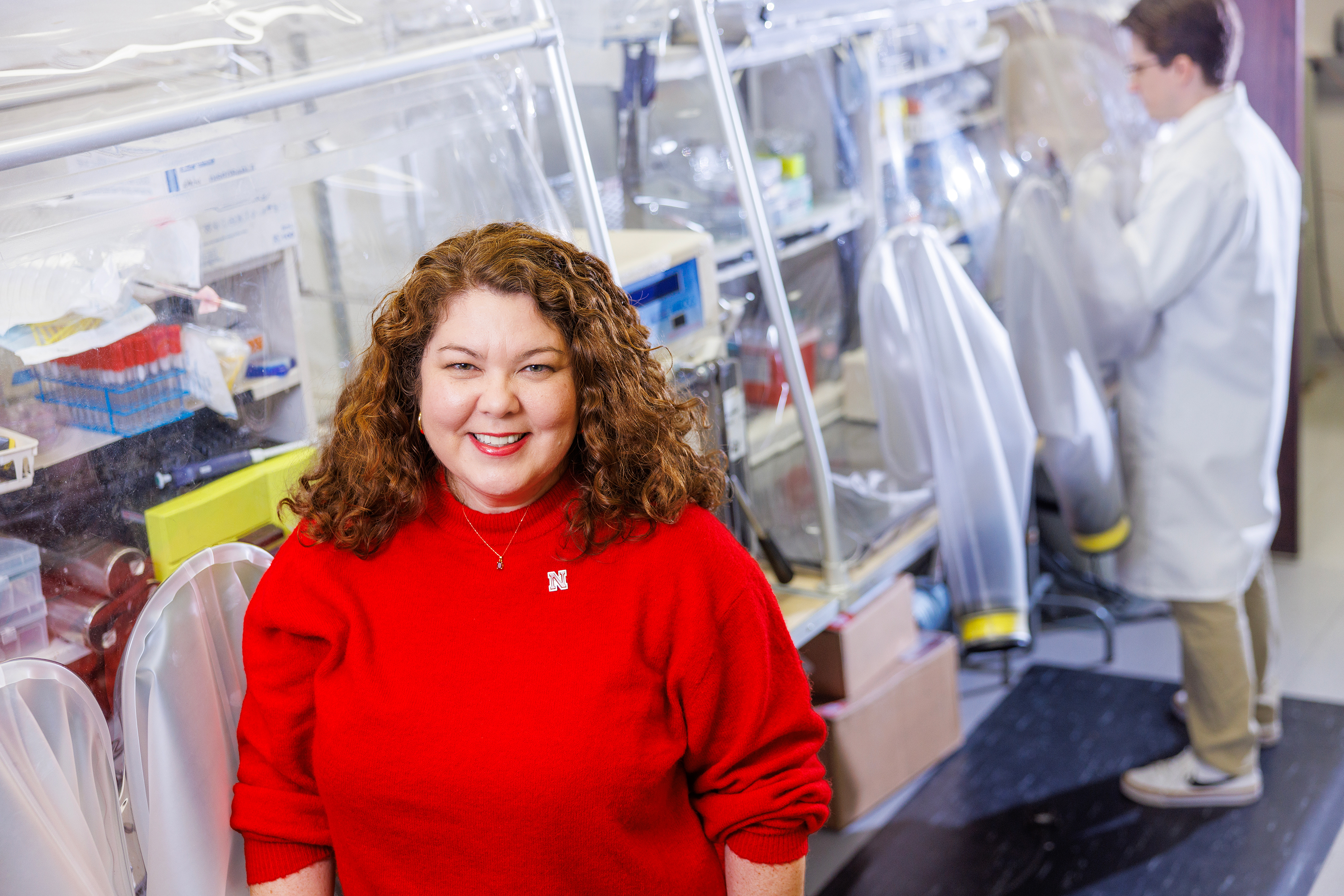
Nicole Buan, professor of biochemistry, is a leading scholar in microbial physiology and synthetic biology whose work is transforming the understanding of methane-producing archaea and their potential as platforms for renewable energy, bioproduct synthesis and a resilient bioeconomy. She has been an investigator on more than $16.5 million in competitive funding, including principal investigator on two NSF EArly-Concept Grants for Exploratory Research awards for high-risk, transformative projects. Buan’s research has overturned longstanding assumptions about methanoarchaea’s genetic intractability, showing they can be engineered for optimal carbon and electron flow. This leads to faster growth, improved stress tolerance and co-production of valuable compounds like isoprene, a precursor for aviation fuel, polymers and fragrances. She holds two of the earliest patents ever issued for engineered methanoarchaea and co-founded Molecular Trait Evolution, a startup producing enzymes that improve biofuel fermentation and reduce water use in biorefineries. She is also pursuing work on MESNA, a nontoxic drug originally discovered in methanoarchaea that improves photosynthetic efficiency and yield of high-value crops.
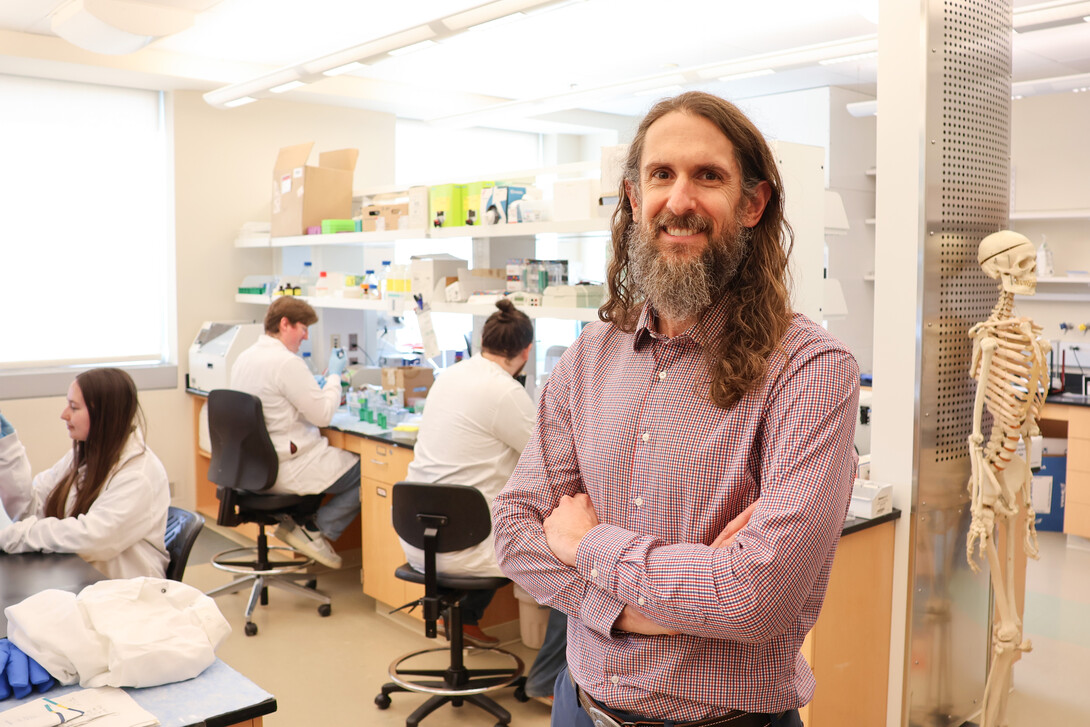
Forrest Kievit, associate professor of biological systems engineering, leads translational research at the intersection of neural engineering and nanomedicine. He pioneers multifunctional nanoparticle systems capable of crossing the blood-brain barrier, a longstanding challenge in treating traumatic brain injury and brain cancer. Kievit has secured more than $5 million in competitive funding, including R01 and Small Business Innovation Research grants from the National Institutes of Health, and is a named inventor on five U.S. patents. He founded NanoPhylax in 2023 with the long-term goal of developing the first disease-modifying therapy for traumatic brain injury and reducing long-term disability and health care costs for these injuries, which affect 10 million people annually. His strategy prevents or slows brain damage by removing harmful molecules in the brain called free radicals. Beyond traumatic brain injury, Kievit’s patents cover nanoparticle-related strategies for radiation of pediatric brain tumors and versatile platforms for gene delivery and advanced cell culture, opening the door to innovations in regenerative medicine and targeted therapies.
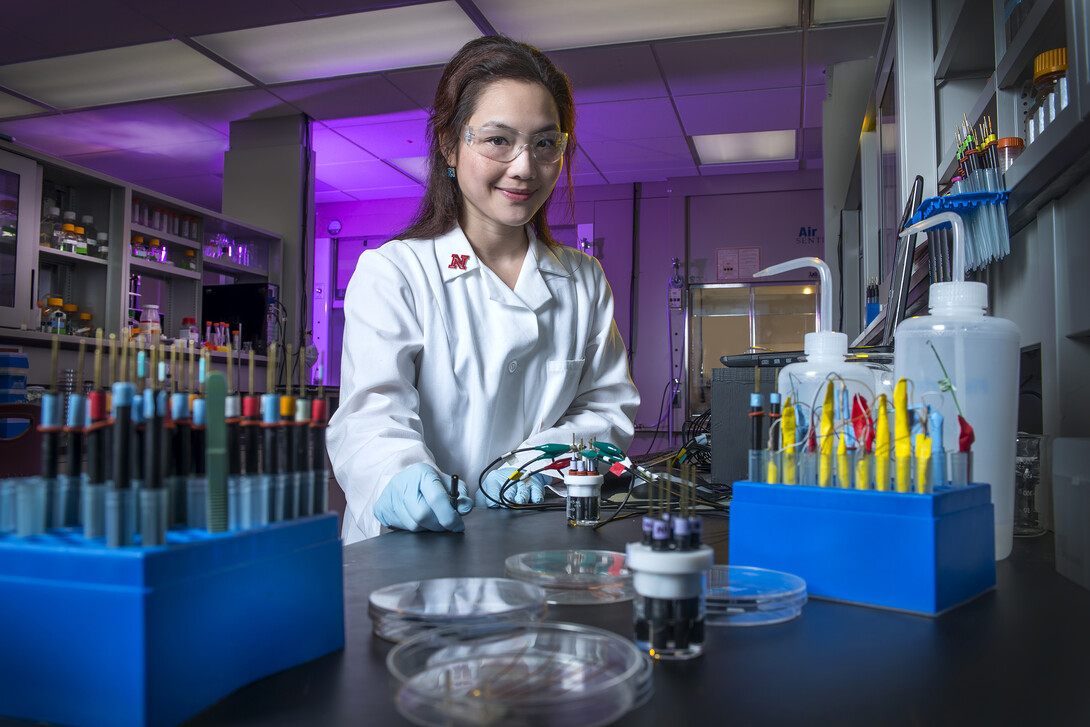
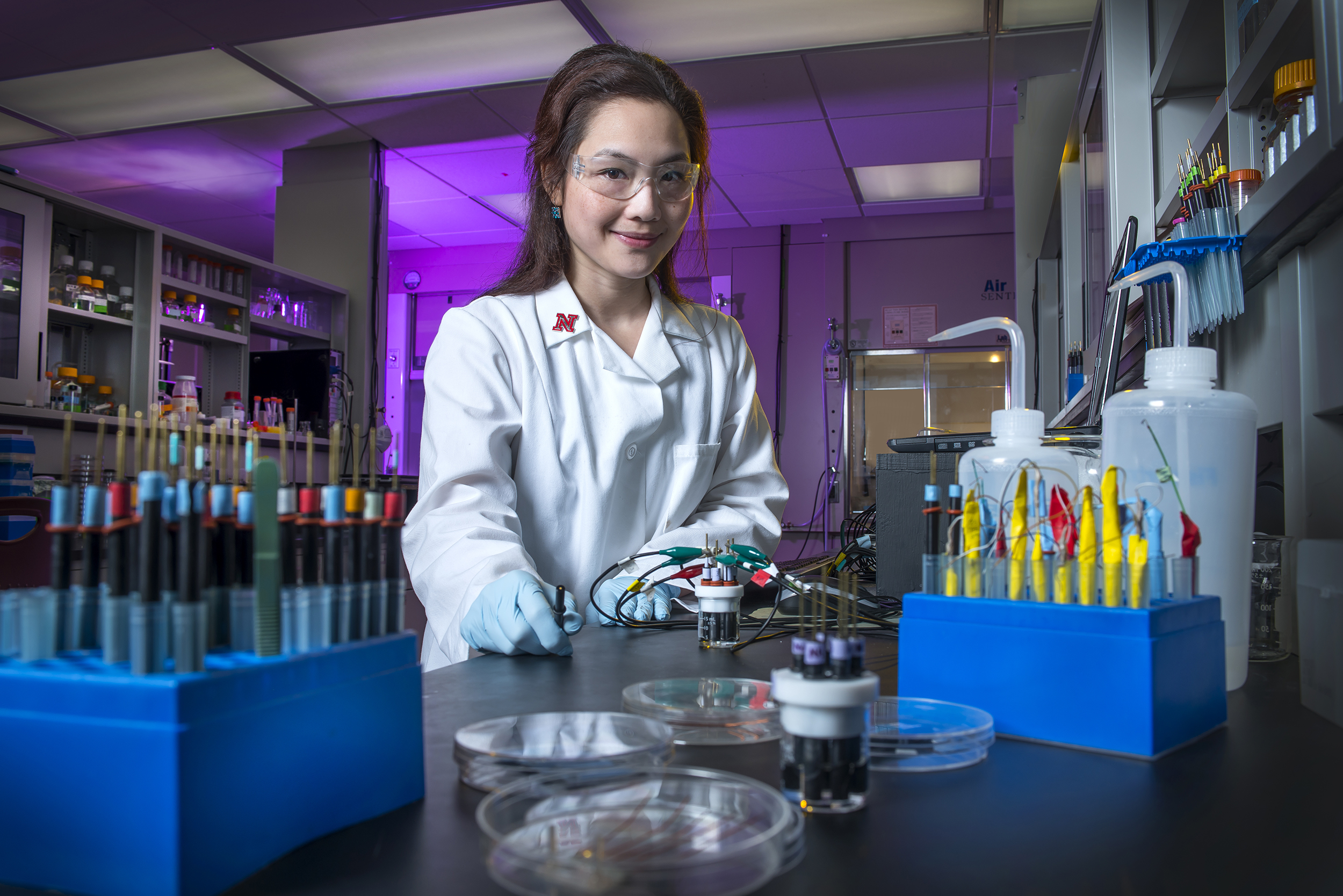
Rebecca Lai, professor of chemistry, designs and constructs portable electrochemical biosensors for point-of-care medical diagnostics and detection of environmental contaminants, particularly chemicals in water. The sensors do not require additional reagents, are reusable and are not affected by background substances, enabling their direct use in complex samples like blood, soil or food. Lai has developed more than 30 sensors, including electrochemical DNA, aptamer-based and peptide-based platforms, capable of detecting a wide range of target analytes, from heavy metals to intact bacterial cells. In addition, she has pioneered new electrochemical SELEX methods that rapidly identify DNA or RNA molecules that bind to specific targets, which boosts the sensors’ accuracy and streamlines development. Lai holds five U.S. patents related to these technologies, which together address a longstanding gap in diagnostics, a field in which the last widely available real-time biosensor, the glucose sensor, dates to the 1960s.
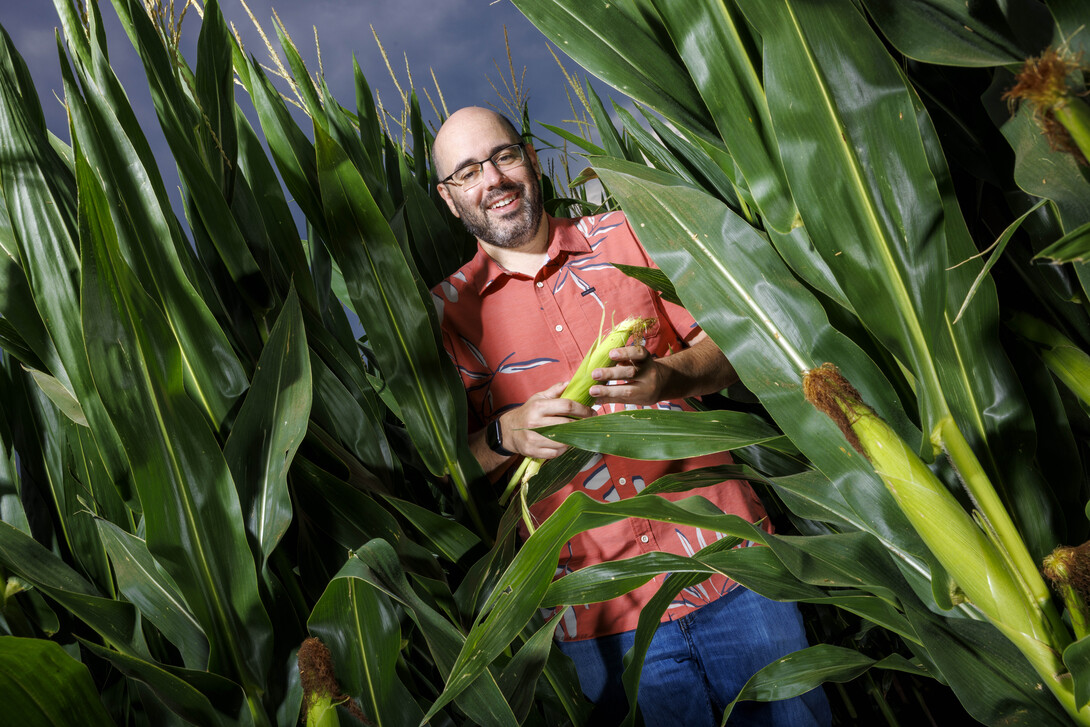
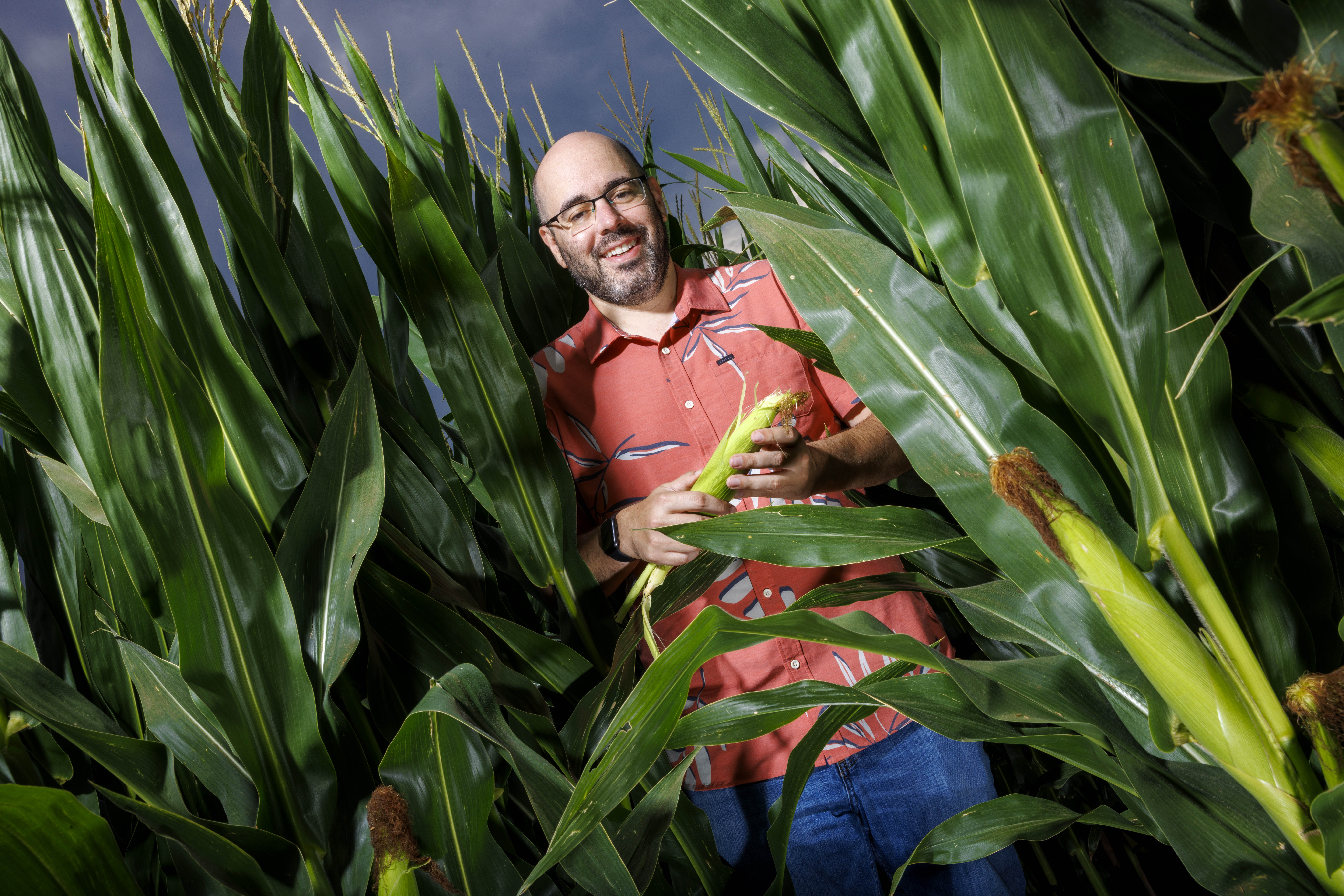
James Schnable, Nebraska Corn Presidential Chair and professor of agronomy and horticulture, is an internationally recognized leader in quantitative genomics, phenomics and AI-driven crop improvement centered on maize and sorghum. He has led cross-disciplinary teams of statisticians, engineers and computer scientists in work that capitalizes on UNL’s state-of-the-art greenhouse and field phenotyping platforms, fueling landmark projects such as the complete mapping of the corn genome and the first digital twin of a cornfield. Schnable’s team, part of the Quantitative Life Sciences Initiative and the Center for Plant Science Innovation at UNL, has secured more than $30 million in federal support. Schnable has co-founded three startups — Dryland Genetics, Data2Bio and EnGeniousAg — that reflect his commitment to enhancing farm profitability, driving regional economic development and reducing agriculture’s environmental footprint. As part of that work, he holds two patents for proso millet varieties that boost yields by 10-40% while using roughly half the water of corn, generating millions in net profit for growers.
Share
News Release Contact(s)
Tags
High Resolution Photos
HIGH RESOLUTION PHOTOS
HIGH RESOLUTION PHOTOS
HIGH RESOLUTION PHOTOS
HIGH RESOLUTION PHOTOS