“Are you ready for it?”
Ticketmaster was seemingly not ready for the influx of hopeful Taylor Swift fans logging onto the digital ticketing platform when sales for the Eras Tour launched Nov. 15, 2022.
Within minutes of the first “verified fan” presales opening, the Ticketmaster site began crashing, and the situation worsened throughout the day. A corporate crisis was unfolding — but communication from the company was minimal and defensive. Even Swift herself was moved to apologize to fans and demand accountability.

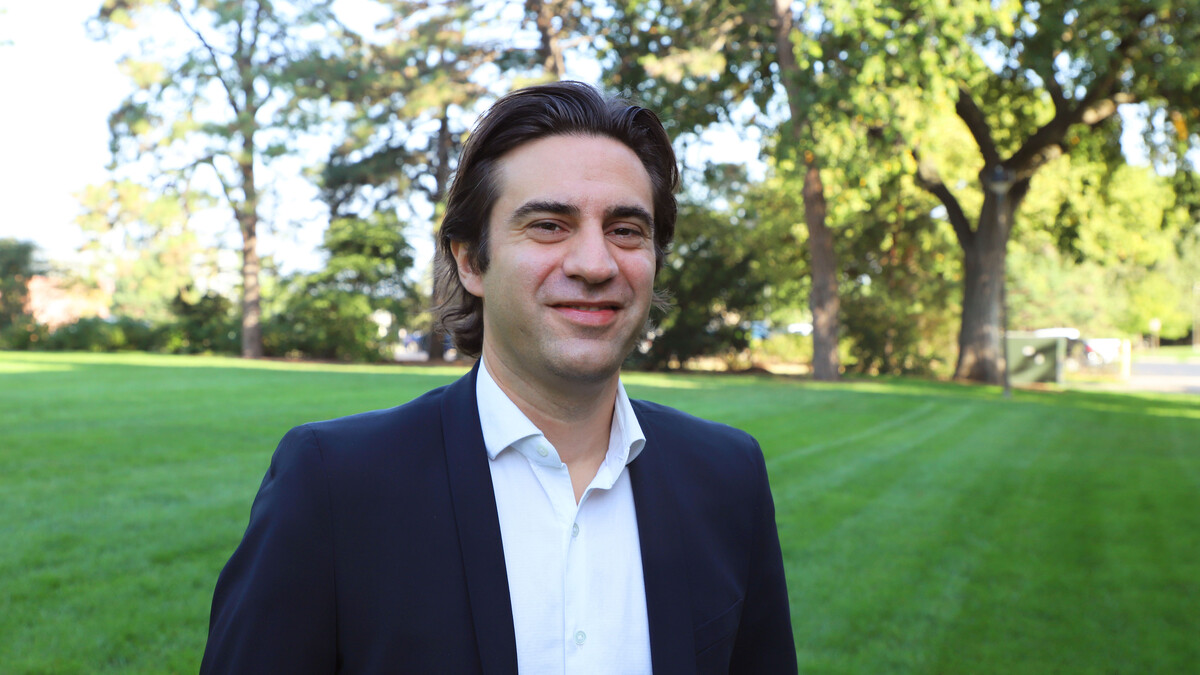
Dane Kiambi, an expert in crisis communications and associate professor of advertising and public relations at the University of Nebraska–Lincoln, said the company’s own actions — and inaction — turned a digital service platform failure into a full-blown scandal with political implications. Kiambi recently published a case study examining the crisis communication failures that deepened already low public trust and ultimately contributed to an antitrust lawsuit filed by the U.S. Department of Justice. Although a settlement was announced March 9, it has been rejected by more than two dozen state attorneys general and continued negative coverage has further damaged Ticketmaster’s reputation.
“When crisis communications are done well, they stay hidden, but when it goes wrong, it’s visible everywhere, and Ticketmaster did everything wrong,” Kiambi said.
Leaning on the Situational Crisis Communication Theory framework — the leading roadmap for reputational management in a crisis — Kiambi traced the communications provided by the company from Nov. 15, 2022, to Jan. 24, 2023, when Live Nation President Joe Berchtold was called to testify in front of the U.S. Senate Judiciary Committee. Kiambi also examined the social media reactions and media coverage from Nov. 15-19, 2022, when public sentiment shifted the most dramatically.
“Ticketmaster went completely against the textbook prescription of what to do in a crisis,” Kiambi said. “Number one, they did not respond very quickly. They were not proactive; they were reactive. It was not until the ticket sale completely collapsed that they started issuing a statement, and it was a halfhearted statement.”
More mistakes followed. Ticketmaster deleted a blog post, kept repeating that bots were to blame and started reminding everyone how well they had handled high-demand events in the past.
“What could have been a technical issue crisis, it arose to become scandal,” Kiambi said. “They were not being genuine in the conversations with the public. They avoided taking full responsibility and didn’t establish next steps, or corrective action — how will we keep this from happening again. There was a lack of transparency, and that shows there was something they were hiding.
“Every new Ticketmaster deflection became fresh material (for the press), and the endless reporting kept public anger alive long enough for it to attract regulatory attention.”
In his analysis of the social media activity and mainstream press coverage at the time, questions about Live Nation, Ticketmaster’s parent company, being a monopoly became a chorus, and there was collective disbelief that such a large company couldn’t have prevented what happened.
“Once the perception of the public shifted to ‘this was preventable,’ Ticketmaster should have treated the crisis differently, issued a full apology and considered some type of compensation," Kiambi said. “Instead, you had the president of the company summoned to Congress, where they asked very tough questions, and the CEO was evading responsibility and bragging about how many tickets were sold. That led to the lawsuit, because Congress said ‘we have to break this up.’”
Kiambi has taught crisis communications courses for 13 years, and it was a student, Katie Zabel, who brought up the Swift-Ticketmaster debacle in an assignment as a perfect example of what companies should not do. Zabel is a co-author on the study. Kiambi said he will incorporate the case study into his curriculum, to draw out discussions of what the company should have done differently and why it is important for every organization to have a crisis communications plan. In the case study, Kiambi points to a moment when Ticketmaster should have pivoted their communications.
“As soon as the very first social media posts appeared that put the blame on the organization, they needed to make a full apology, take full responsibility, be transparent about what happened and offer some kind of corrective action and compensation.
“Don’t wait for Taylor Swift to come out and give a statement three days later saying she is frustrated and unhappy. Be proactive, admit the mistake and state how you are fixing it.”
Share
News Release Contact(s)
Related Links
Tags
High Resolution Photos

HIGH RESOLUTION PHOTOS