Following an exceptionally warm and dry winter, an interdisciplinary University of Nebraska–Lincoln group hosted drought workshops in North Platte and Scottsbluff in late April. The team was made up of members representing the Nebraska State Climate Office, Nebraska Extension and National Drought Mitigation Center.
The presentations and discussions helped farmers and ranchers be more aware of climate conditions and drought management tools and resources as they prepare for the upcoming growing season, said Deb Bathke, Nebraska state climatologist.
“We wanted to help people understand the drought conditions that developed in Nebraska over the winter and spring and what they can do to prepare for the summer,” she said.
Bathke talked about the factors that caused drought conditions to deteriorate over the winter, setting the stage for an incredibly dry spring. Eric Hunt, extension educator of agricultural meteorology and climate resilience, presented current conditions and climate outlooks in Nebraska.
A dry winter and spring, warm and windy weather and very dry soils are some of the factors that contributed to a flash drought in Nebraska this spring, Bathke said.
According to the May 7 U.S. Drought Monitor, 88.15% of Nebraska is in drought. Conditions are more severe in central and western parts of the state, with most of these areas in severe to extreme drought. An area of exceptional drought emerged in the southern Panhandle at the end of April.
While drought isn’t uncommon in Nebraska, it is unique for the state to see this extent of drought conditions so early in the year, Hunt said. Warmer and drier conditions are going to be more likely in future years with the warming planet, he said.
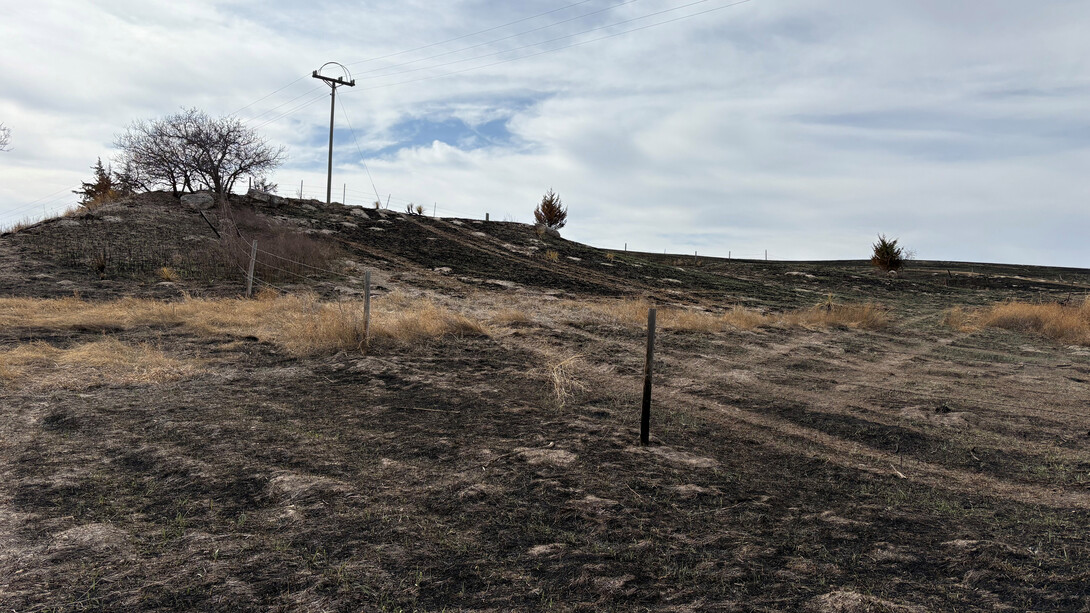
This year’s dry conditions led to some of the worst wildfires in the state’s history, including the Morrill Fire, which was the largest Nebraska fire on record at more than 640,000 acres. The number of acres burned in Nebraska this year so far (900,000) is double the previous record from 2012. Wildfires continued to be an issue in Nebraska in April.
It remains to be seen whether the situation will improve over the next few months, Bathke said. The drought conditions could turn around if western Nebraska gets several widespread soaking rains, consistent precipitation through May and June, cooler and less windy weather and follow-up rains to improve soil moisture.
Drought monitoring and decision-making tools
National Drought Mitigation Center staff Curtis Riganti and Tonya Haigh shared resources for drought monitoring, planning and management.
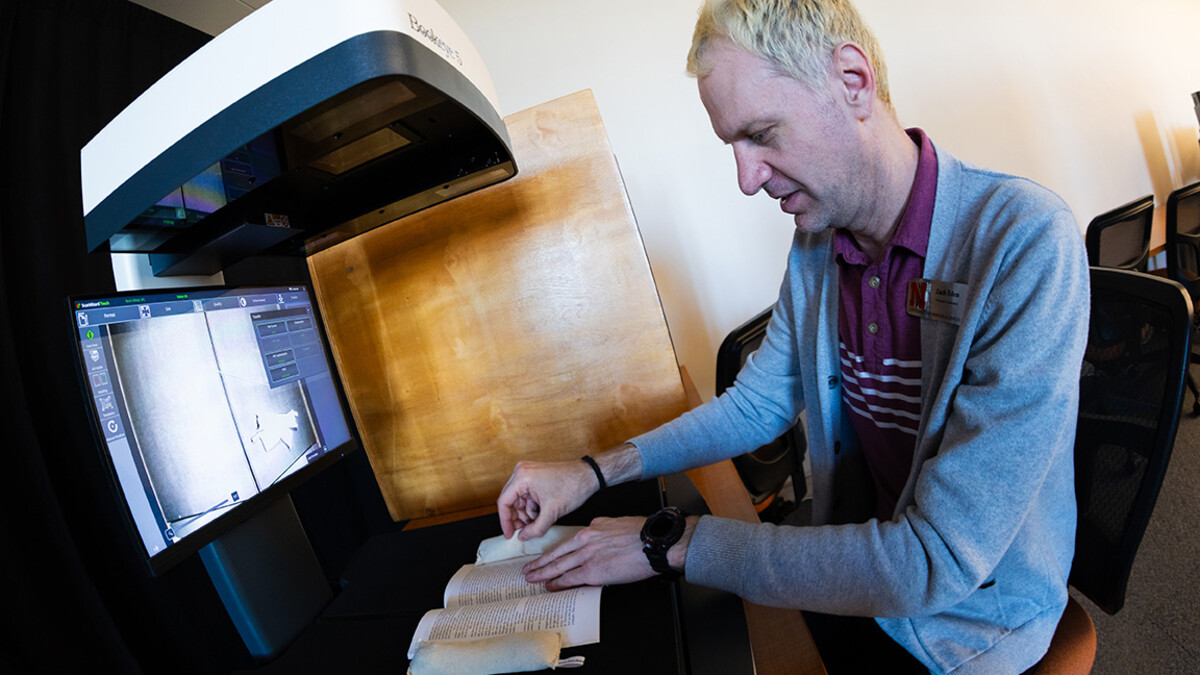
Riganti, climatologist and U.S. Drought Monitor author, provided information on how the monitor is made. The monitor is a weekly map showing the location and severity of drought across the United States. It is hosted by the drought center and produced through a partnership among the center, the U.S. Department of Agriculture, the National Oceanic and Atmospheric Administration and NASA.
Riganti also shared other drought-monitoring tools that incorporate data on different factors that contribute to drought. One of the tools is Grass-Cast, which can help ranchers manage forage production expectations.
Haigh, a social scientist, shared decision-making tools for producers. Drought center resources include Managing Drought Risk on the Ranch, a planning tool for ranchers, and the Condition Monitoring Observer Reports, a crowdsourcing system for providing drought-related observations and photos.
Producers can use these resources to answer tough questions like stocking rate and when to make key decisions on an operation.
Drought discussions and takeaways
There were about 16 attendees at each workshop, which provided ample space for in-depth discussions. During each meeting, extension educators and workshop presenters fielded questions and concerns from attendees.
Charlene Lukesh, a farmer and rancher in the Nebraska Panhandle, attended the Scottsbluff workshops. She has been a producer since 2009.
“It seems like we’ve had the dry stuff before — I don’t know if it’s been this dry,” she said.
Two years ago, a wildfire burned one of her pastures and part of another. So far this year, her operation has not been affected by fires.
“After it burnt, there was no rain,” she said. “I don’t even think it came back enough for us to use last year. With no extra moisture, you still don’t have the recovery you’d like to have.”
Randy Saner, an extension educator at the West Central Research, Extension and Education Center, helped organize the North Platte event. He said one benefit of the workshop was bringing together UNL personnel with local producers and agricultural economics professionals.
Saner, who also owns cattle north of North Platte, said it was helpful learning about resources like Grass-Cast.
Presenters also shared ways that anyone can provide information on local drought and weather conditions, including the Condition Monitoring Observer Reports. For those who live in areas that don’t have as many weather stations, like Nebraska Panhandle residents, these tools help verify data and fill in the gaps.